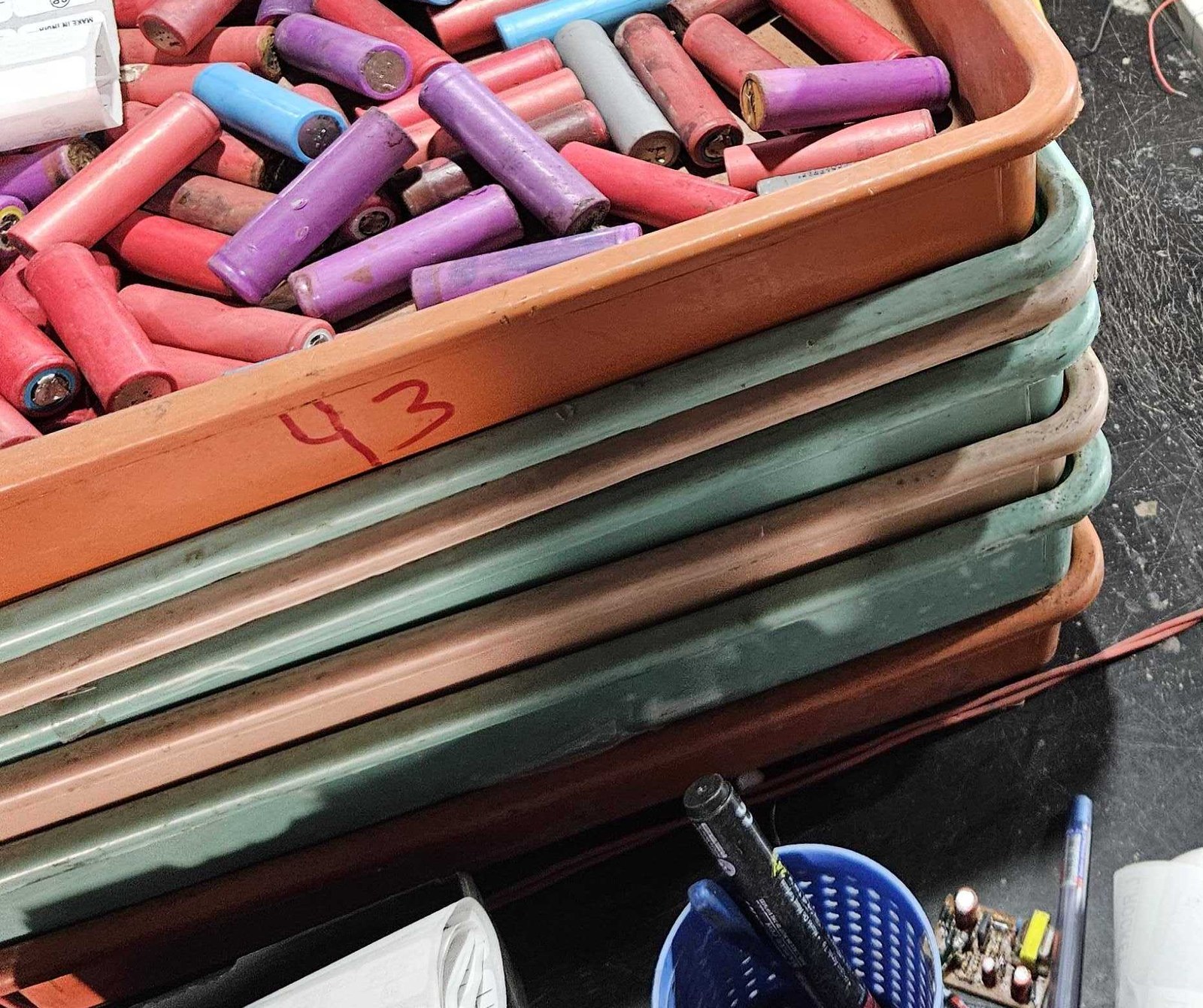
I recently spent an afternoon inside a battery pack assembly facility. Lead-acid formation tanks on one floor, lithium-ion pack assembly on another. Trays of used 18650 cells, re-wrapped in fresh shrink sleeves with just a spot welder, an internal resistance meter, rolls of filament tape, and a steady output of finished products: torches, lanterns, and small power packs headed for retail shelves.
This post is not about that facility. By everything we know about how these supply chains work, there are hundreds of shops like it, across multiple countries, serving every price-sensitive market in the world. Naming one would miss the point. The point is what these shops have in common, why the practices persist, and what the battery industry can actually do about it.
A pack built from such cells is only as safe as its weakest cell — and that weakest cell is exactly the one that gets overstressed every cycle.
What second-life assembly looks like at the low end
Three things stood out, and each one is worth understanding on its own terms.
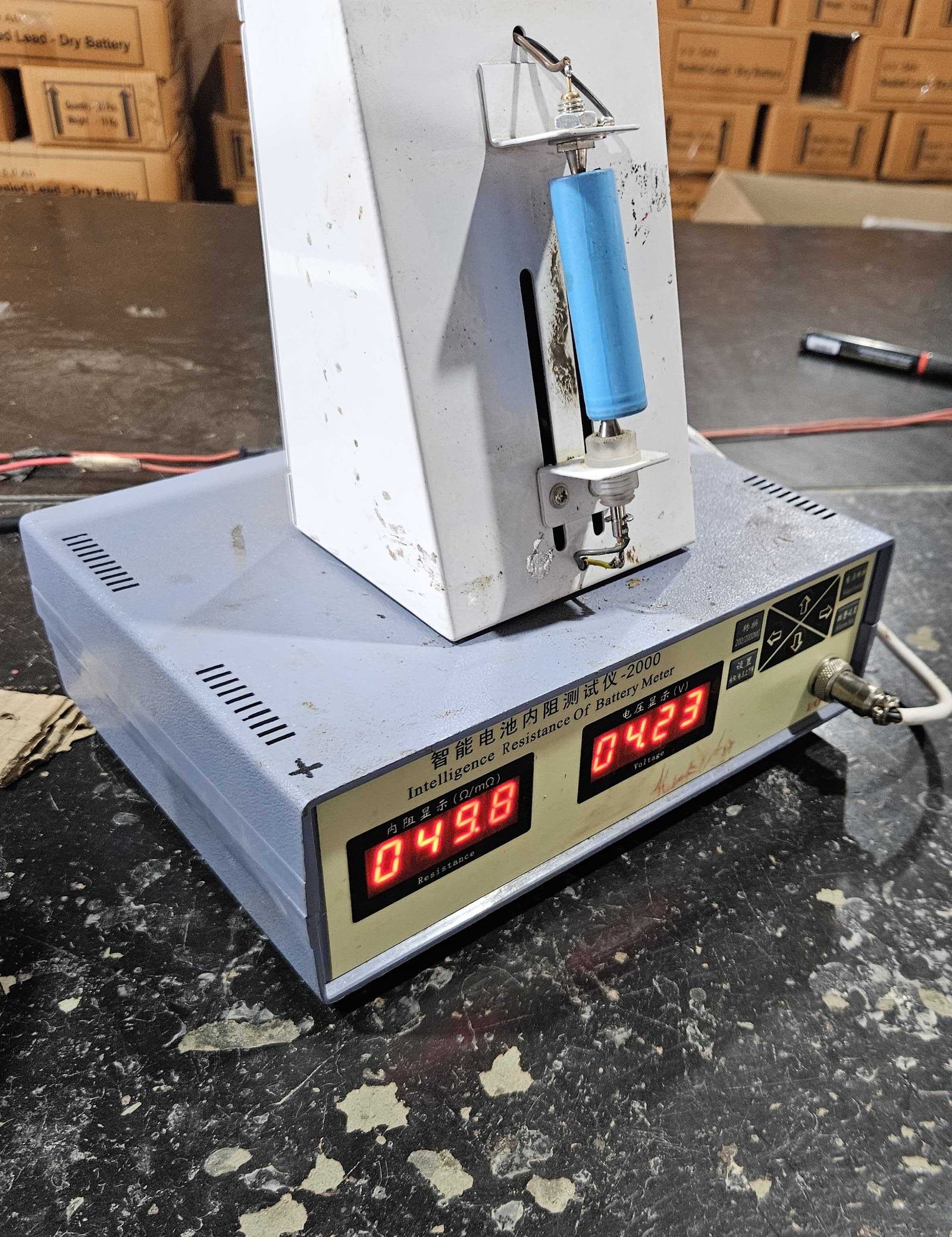
Cell screening starts and stops at internal resistance. Screening is not absent as every cell passes across an internal resistance tester, and cells are binned by IR. But that is where it ends. The cells arrive from brokers and e-waste recoverers with no specifications whatsoever: no datasheet, no original capacity rating, no chemistry variant, no cycle history. Beyond IR, grading is done by the color of the shrink wrap which is a proxy for the supplier batch and nothing more. IR is a useful health indicator, but it is not capacity, it is not self-discharge rate, and two cells with similar IR can have very different remaining lives. A pack built from such cells is only as safe as its weakest cell and that weakest cell is exactly the one that gets overstressed every cycle.
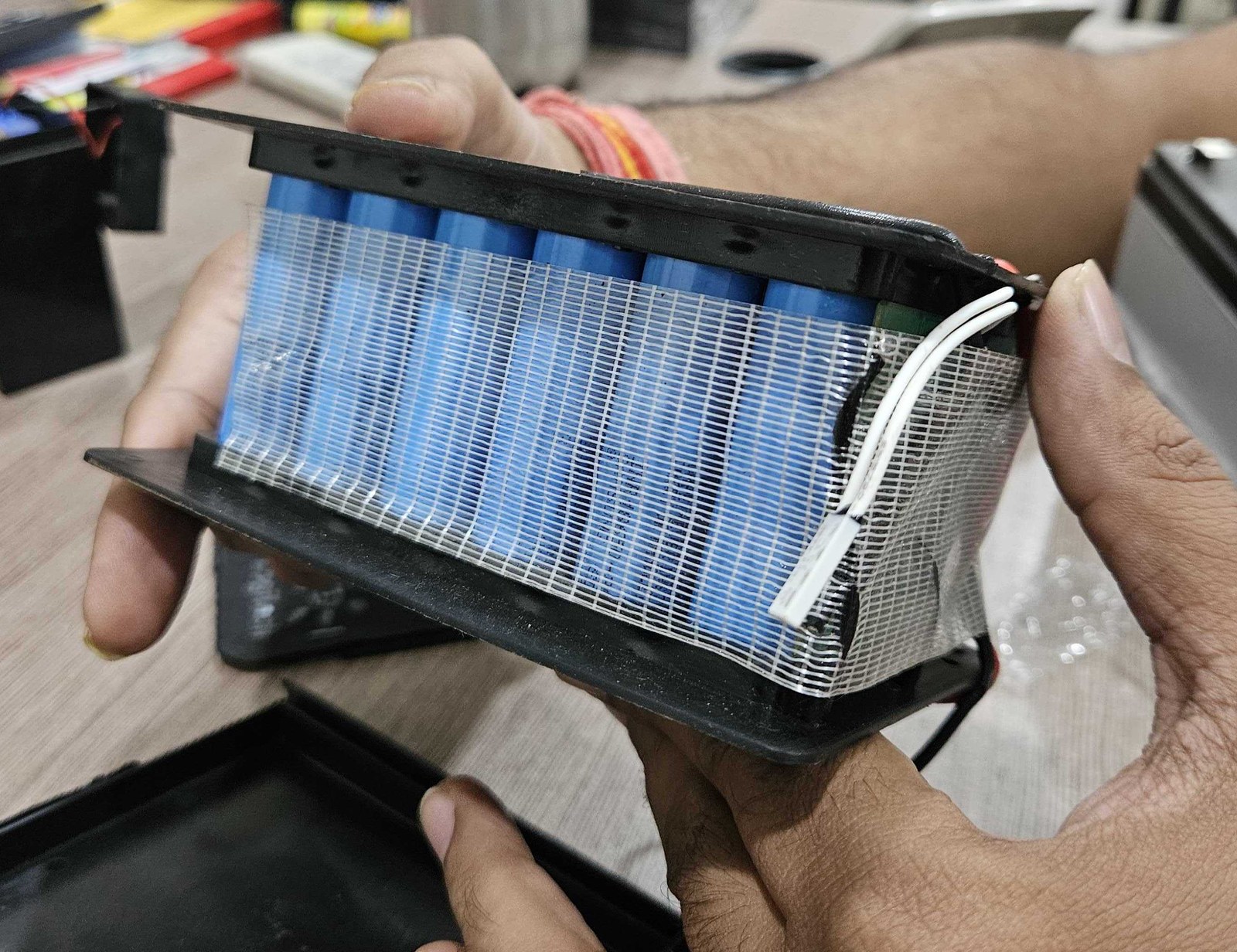
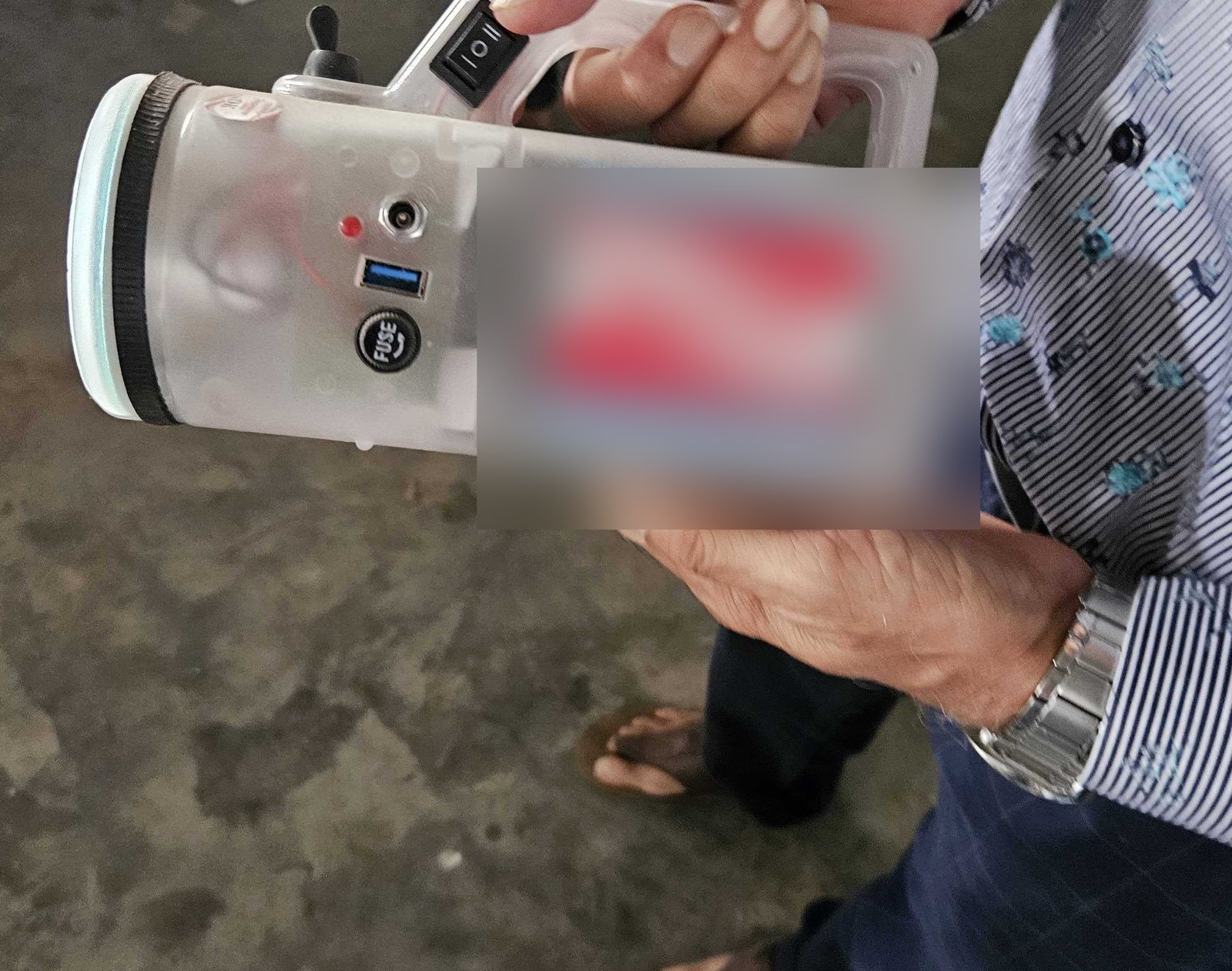
The “BMS” is a protection circuit, not a management system. The boards going into these packs are basic protection circuits: over-voltage, under-voltage, and over-current cutoffs at fixed thresholds. There is no cell monitoring in any meaningful sense, no balancing, no temperature-aware control, no state-of-charge or state-of-health estimation, no logging, no way to detect a cell that is drifting toward failure. The industry calls both of these things a “BMS,” and that vocabulary gap does real damage. A protection circuit is a last-resort fuse and not true battery management.
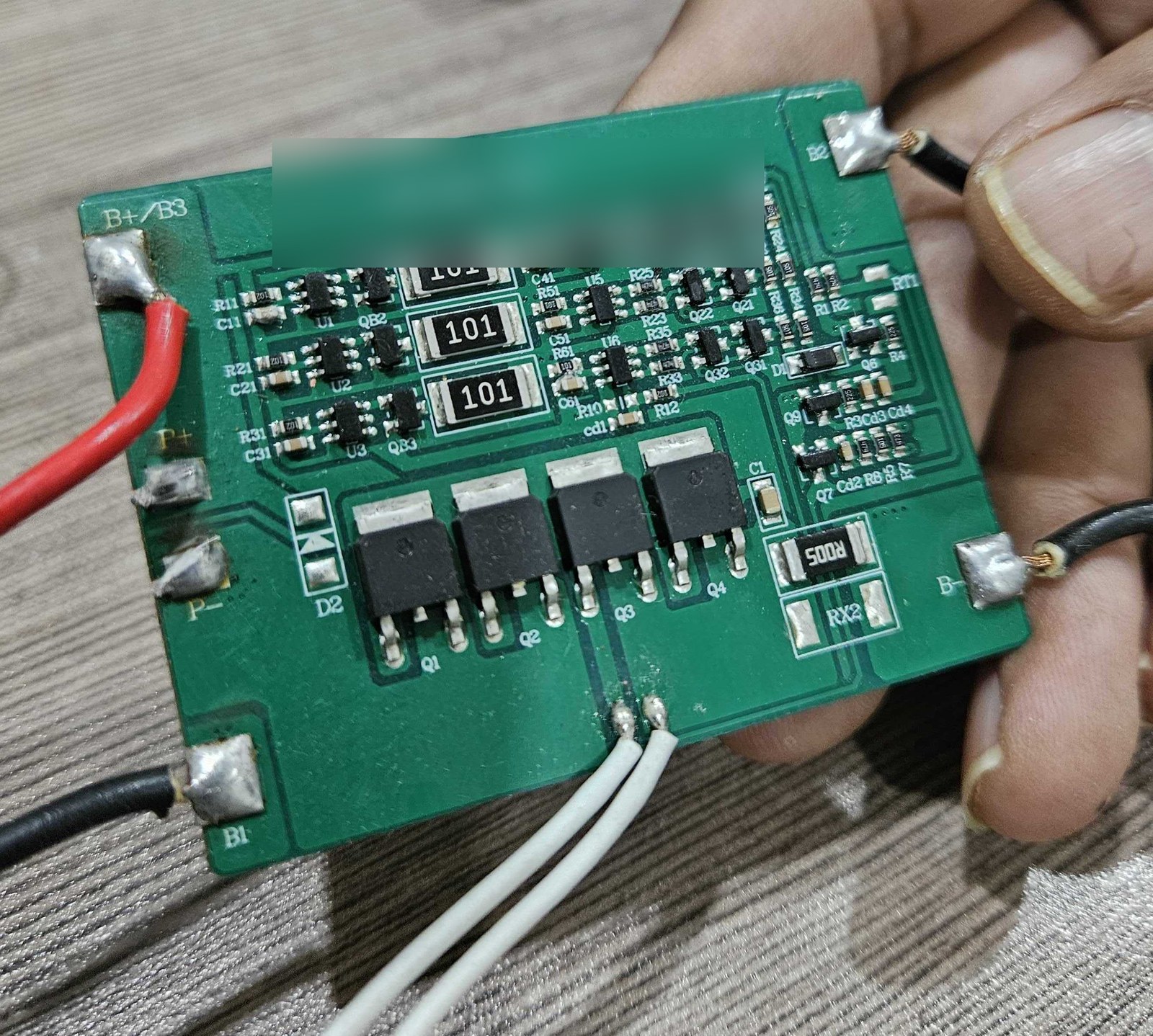
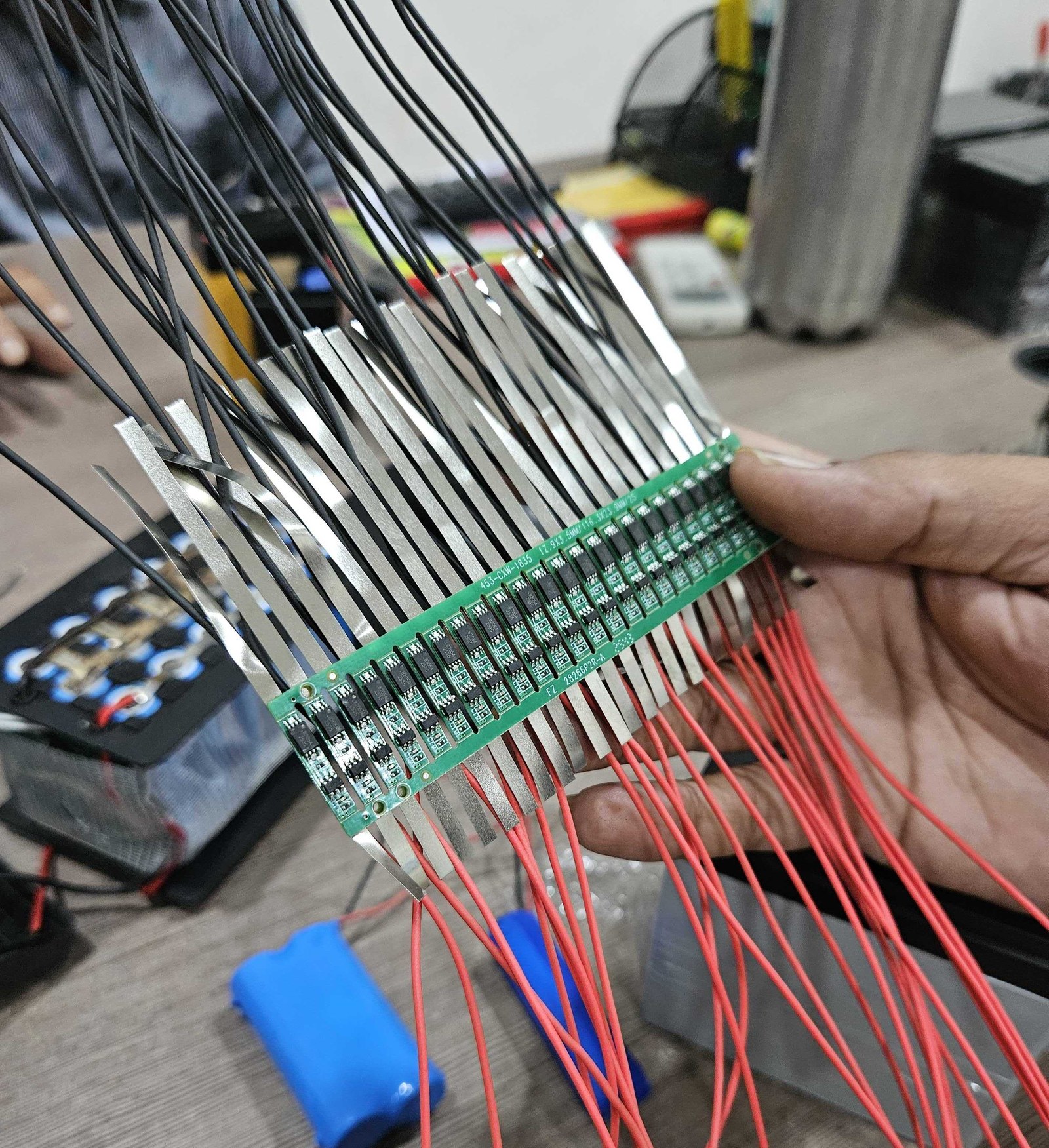
NMC cells are deliberately charged above 4.2 V. This was the most striking part. To squeeze more capacity out of tired cells and to make the Ah number on the label look better – cells are routinely charged to 4.3 V or higher. On the bench, the very cell sitting on the IR fixture read 4.23 V. For an NMC cell, sustained operation above 4.2 V means accelerated electrolyte oxidation, gas generation, transition-metal dissolution, and under certain conditions may also cause lithium plating on the anode. Every one of those mechanisms shortens life. Several of them are direct precursors to thermal runaway. The extra capacity is briefly real but the risk is permanent.
Stack these together: cells of unknown provenance binned only by IR, no per-cell visibility in service, and deliberate overcharge. Each practice amplifies the others. The mismatched pack pushes its weakest cell hardest; the overcharge regime pushes it past its safe window; the protection-only board has no way to see it happening until the failure is already underway.
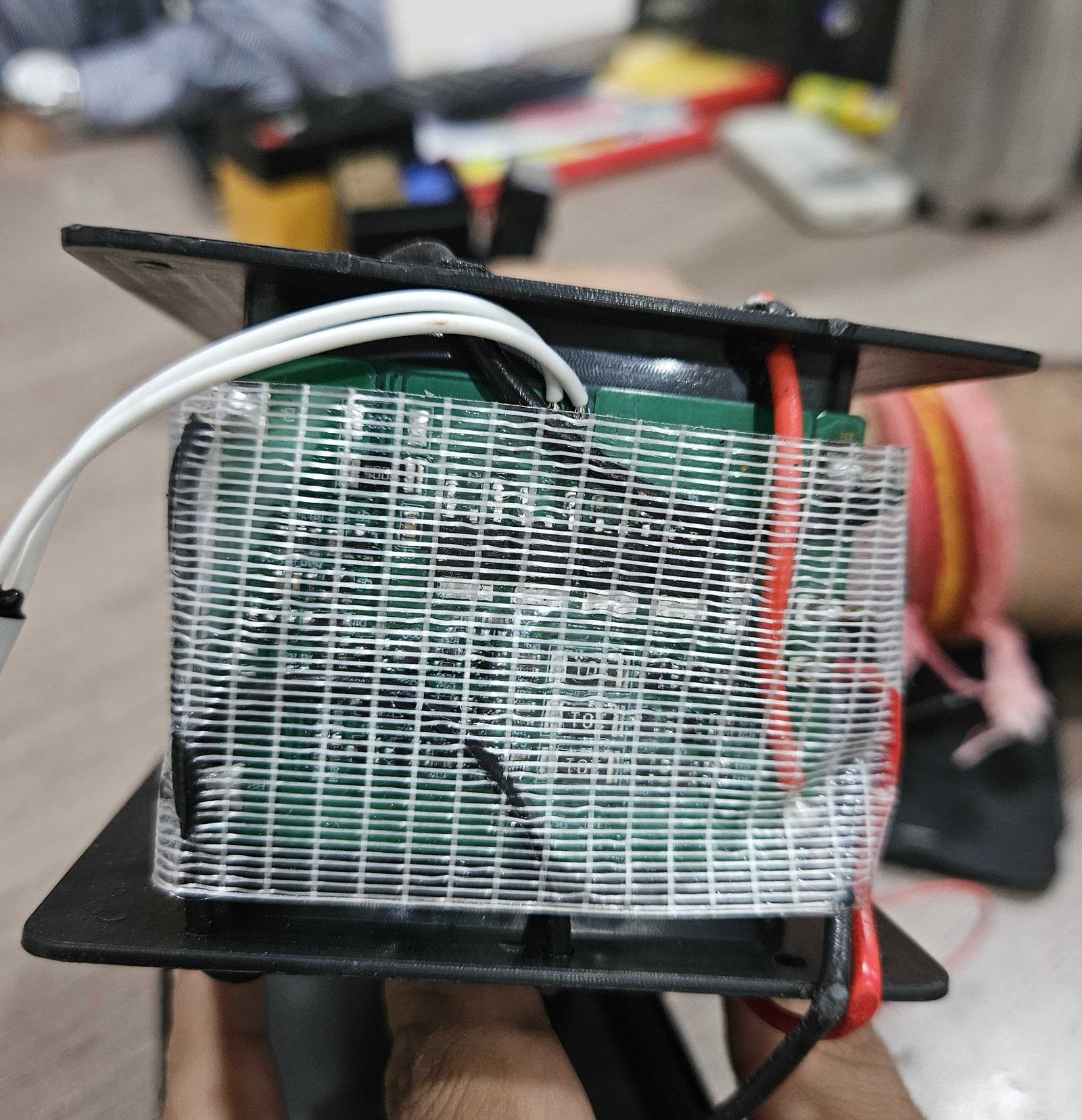
A protection circuit is a last-resort fuse. It is not management.
Why this happens and why blame is the wrong frame
It is tempting to read this as negligence. I don’t think that is right, and I don’t think it is useful.
These shops are responding rationally to their market. Their customers compare two numbers: price and labeled capacity. Cycle life is invisible at the point of sale. Abuse of the cell’s voltage window is invisible at the point of sale. The fire that happens eighteen months later in someone’s home is completely disconnected, in the buyer’s mind, from the purchasing decision that caused it. When safety is unobservable and capacity-per-rupee (or per-peso, or per-shilling) is the only visible metric, the market reliably optimizes for exactly what we saw.
The people in these facilities are not battery engineers, and nothing in their incentive structure rewards becoming one. The handwritten “danger” sign on the formation room door was, in its own way, the most honest safety documentation in the building.
Voltage limits are physics, not specifications.
What the industry can learn
A few takeaways that I think generalize:
Specifications need to travel with second-life cells. The single biggest information failure in this chain is upstream of the assembler: cell brokers sell recovered cells with no specifications, no chemistry identification, and no history. The assembler is then grading blind, using the only tools available i.e. an IR meter and the color of the wrap. Provenance standards for recovered cells, even minimal ones, would do more good here than any amount of downstream inspection.
Grading is increasingly a software problem, not a capital-equipment problem. Full cycle-testing of every second-life cell is economically impossible at this end of the market as a complete charge-discharge characterization ties up a channel for hours per cell. But physics-based models can extract meaningful state-of-health and capacity information from short, partial measurements: minutes of data instead of a full cycle. The cost barrier to genuine grading is falling fast, and the industry should be pushing that capability downmarket aggressively, not reserving it for tier-1 manufacturers.
The protection-circuit-as-BMS gap needs naming. Regulators, standards bodies, and buyers conflate protection with management. Standards such as IEC 62133 and UL 2054 address cell and pack safety, but enforcement in informal supply chains is close to zero, and none of it reaches the practice of relabeling overcharged second-life cells. Until “has a BMS” means something specific like per-cell monitoring, temperature sensing, enforced chemistry-appropriate voltage limits, the label will keep providing cover.
Voltage limits are physics, not specifications. A datasheet’s 4.2 V ceiling for NMC is not a conservative suggestion from a cautious legal department. It marks the boundary beyond which side reactions accelerate sharply. Any pack architecture, charger, or business practice that treats that limit as negotiable is borrowing against a failure that compounds with every cycle.
The technology to fix this already exists. Chip-on-cell monitoring solutions attach a small monitor to every cell that records voltage, temperature, and usage history, and stays with the cell for its entire life. Pair that with battery passport initiatives like the one arriving under the EU Battery Regulation, and second-life grading stops being forensic guesswork and becomes a data lookup: the cell arrives carrying its own provenance, capacity history, and abuse record. When a first-life pack is dismantled, every cell can be re-deployed or rejected based on what it actually experienced and not the color of its wrap. The economics that today reward overcharging unknown cells flip the moment a cell’s history is readable in seconds.
Second-life batteries deserve better than this — and the demand is real. The price-sensitive markets buying these packs are telling us something important: there is enormous demand for affordable stored energy. The answer is not to wish that demand away or to price these buyers out. It is to make safe second-life assembly cheap enough to compete by enabling low-cost cell screening, low-cost genuine monitoring, and charging strategies that respect the electrochemistry instead of fighting it.
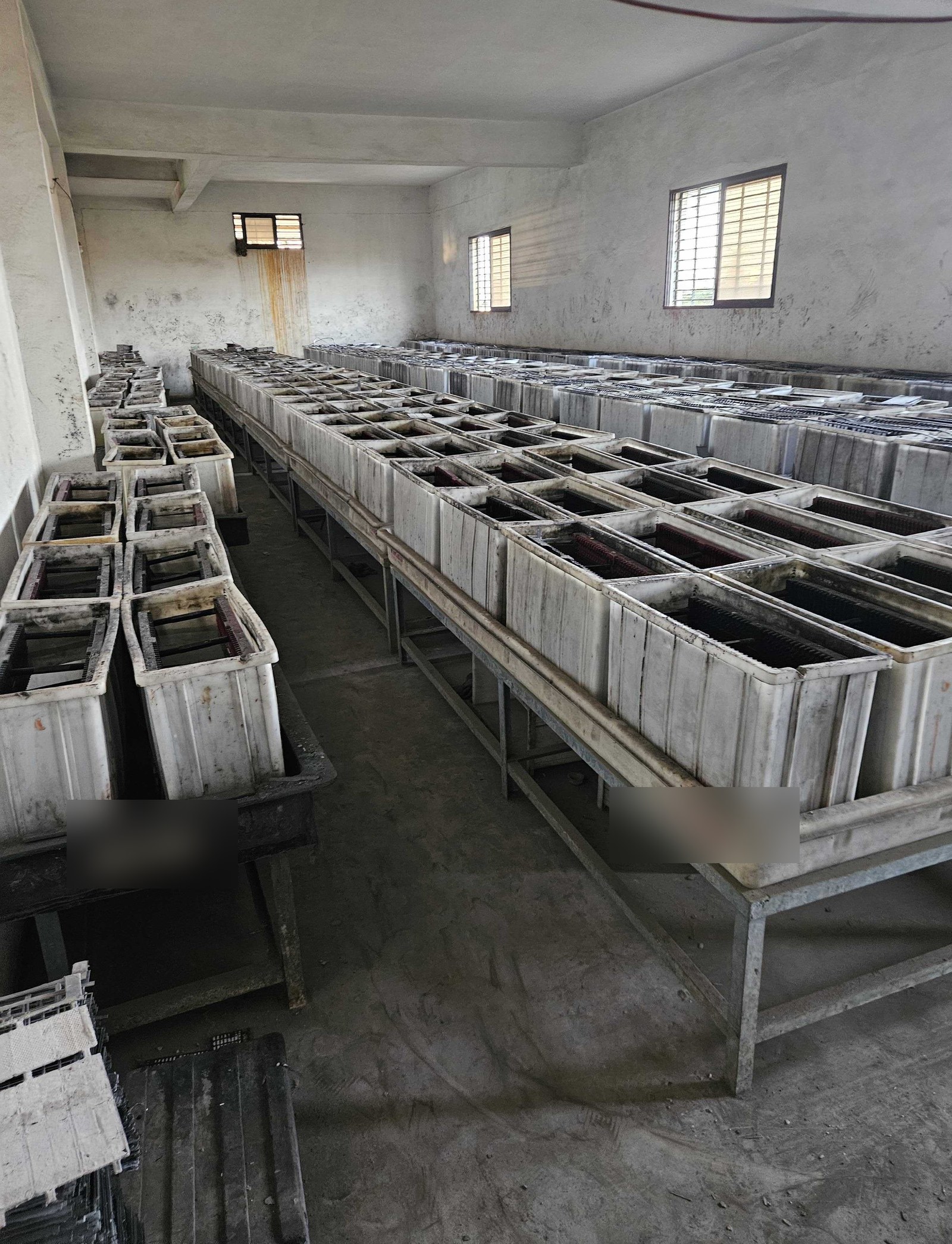
The cells in those trays already gave one life of service. With real grading, real monitoring, and physics-respecting limits, many of them could safely give another. Without those things, what is being sold in these markets isn’t a battery pack but a countdown to something not pleasant.
BattGenie builds physics-based battery models and management software. If you work on second-life batteries, pack safety, or battery standards in emerging markets, we’d like to compare notes.
